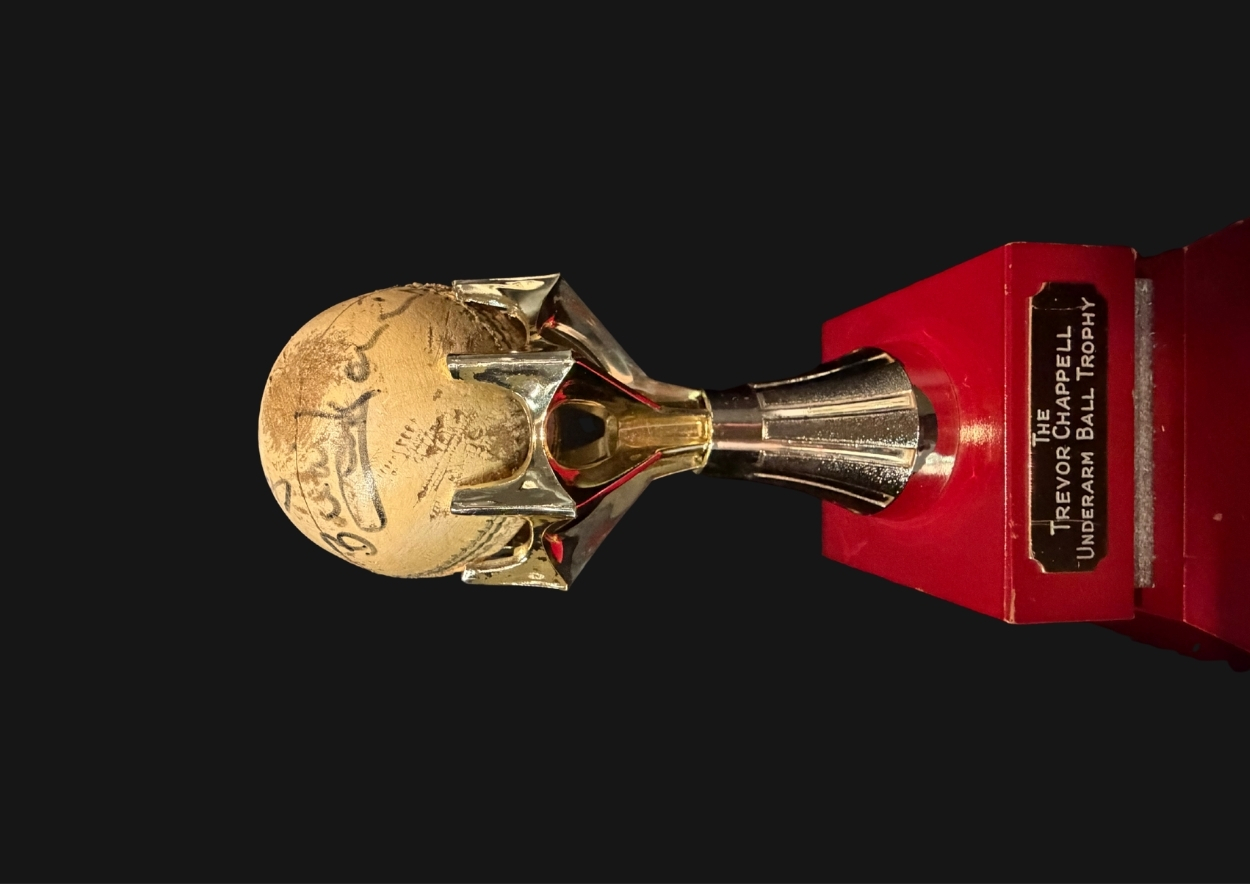
These are the words a Western Australian woman wrote to New Zealandcricket captain Geoff Howarth on the scorching evening of Sunday, 1 February 1981. Moments earlier, she had been one of millions watching Australia defeattheir trans-Tasman rivals with a "mullygrubber" - a ball bowled underarm along the pitch like a lawn bowl.
Outraged by the tactic, hundreds of fans across Australia and New Zealand wrote to the Kiwi captain to express their disappointment, voice support, or apologise for the incident.
The controversy came at the climax of the third final of the 1980-81 World Series Cup at the Melbourne Cricket Ground. Earlier in the match, New Zealand’s Martin Snedden took a remarkable diving catch off Greg Chappell. However, the umpires ruled that the ball had bounced before being secured, allowing the Australian captain to bat on - a decision that sparked wide spread debate over umpiring accuracy and player etiquette.
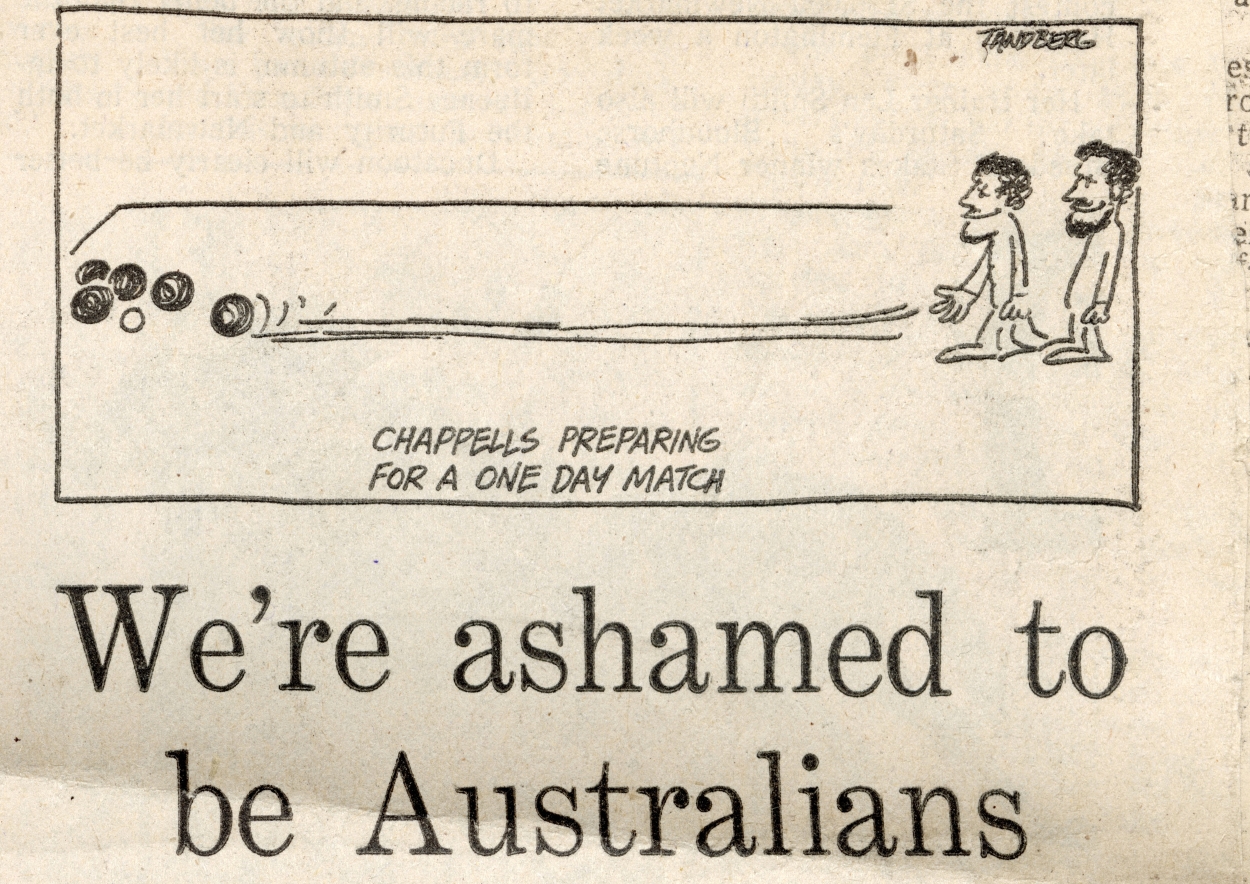
Tensions reached boiling point off the final delivery of the match, with New Zealand needing six runs to tie. Lower-order batsman and dual international, Brian McKechnie took guard, needing to clear the rope just to level the scores. This was no small ask - the MCG has some of the largest boundaries in cricket. However, to ensure a hit of that distance was impossible, Australian captain Greg Chappell instructed his younger brother,Trevor, to roll the ball along the ground. As the ball trickled down the pitch, boos rang out from the MCG crowd - a preview of the backlash that would follow.
While permitted by the Laws of Cricket at the time, the move was almost universally condemned as unsporting, cynical, and contrary to the spirit of the game.
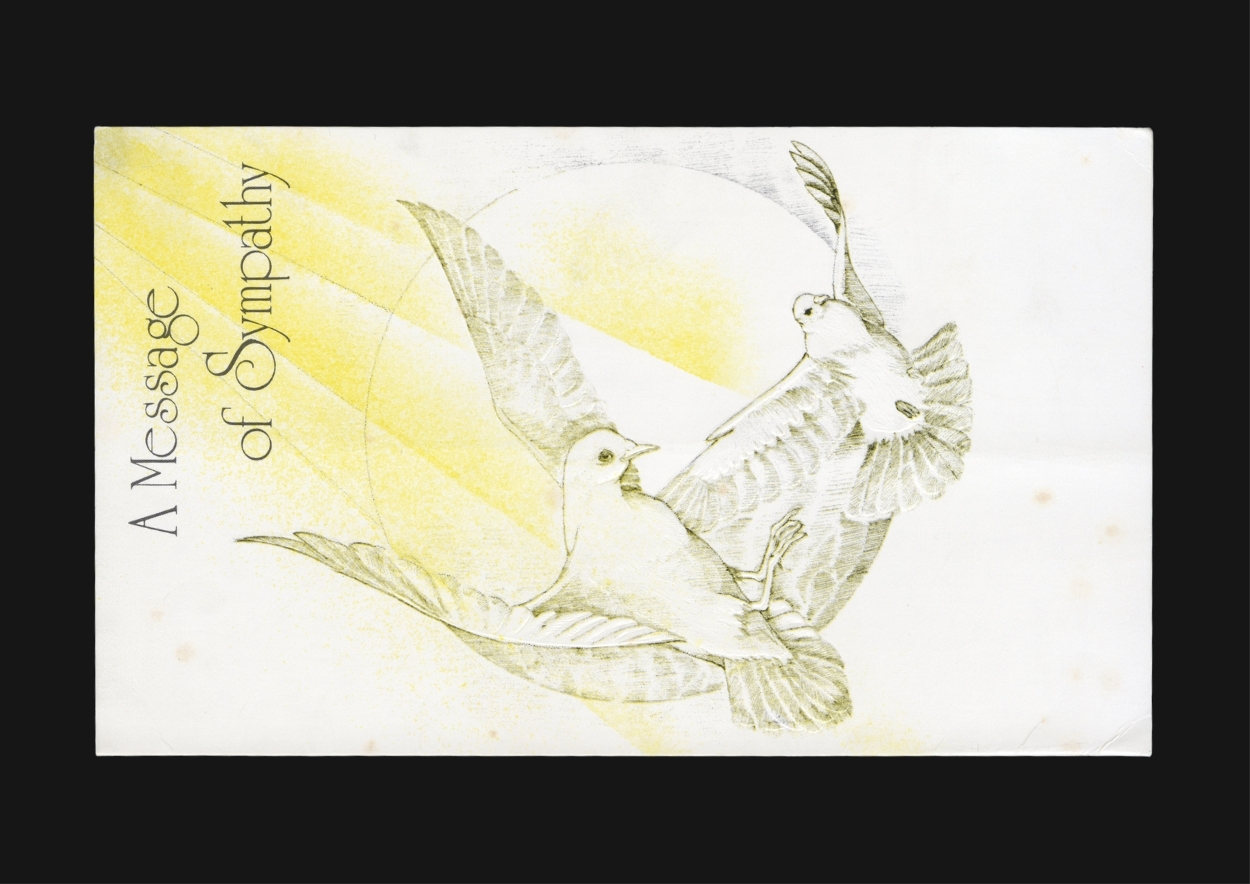
In the days that followed, fans from every Australian state and across New Zealand wrote to Howarth. Children as young as ten joined parents, teachers, business owners, politicians, and former international cricketers in offering their sympathies. Some sent urgent telegrams or phoned in messages to the team hotel, while others penned letters on exercise paper, office letterheads, or sympathy cards.
Geoff Howarth received and kept over 250 written messages from cricket fans - 80% of them coming from Australia.
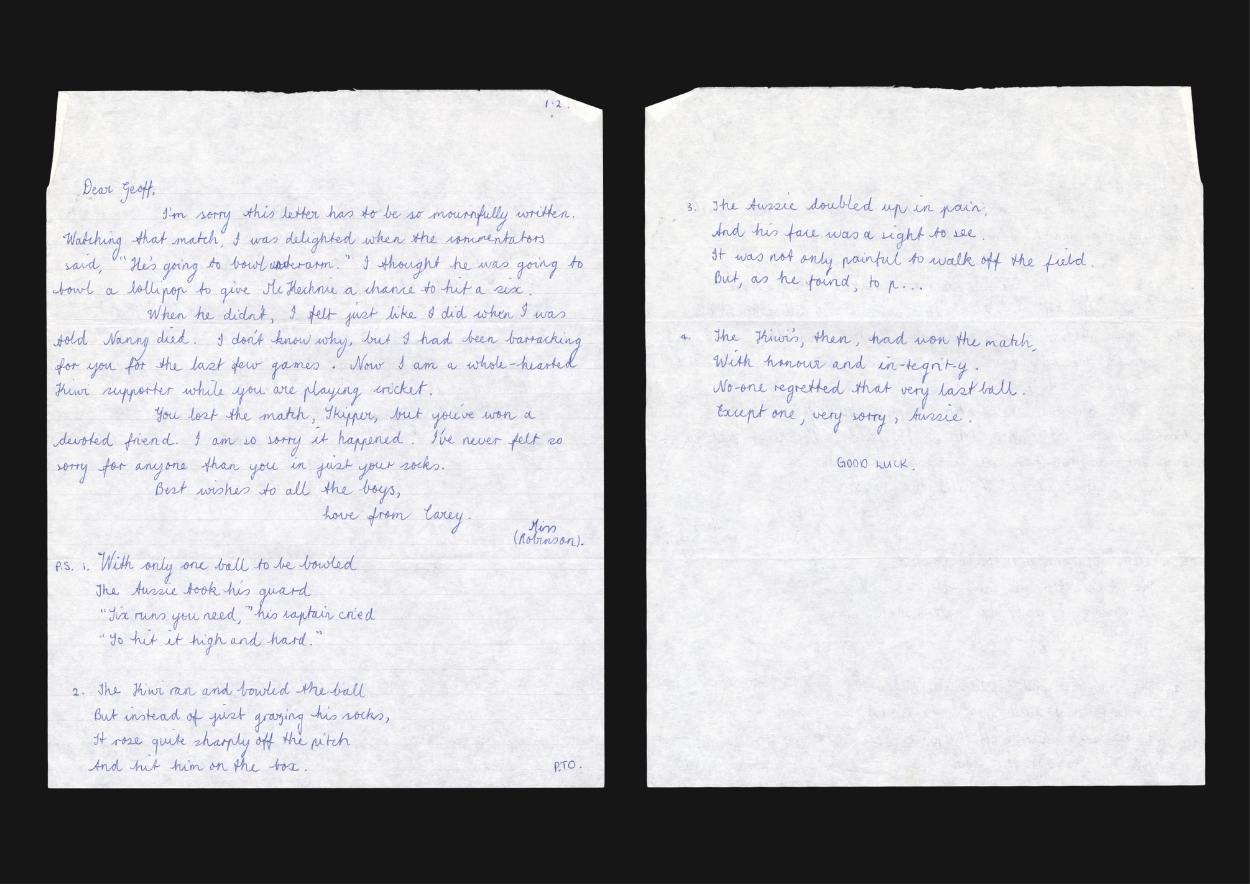
The mood across Australia was bleak. Roughly a third of the Australian writers expressed disgust or embarrassment, begging Howarth not to judge theirentire country by the actions of one captain.
For others, the grief felt surprisingly personal.
One supporter wrote that seeing the underarm delivery felt "just like I did when I was told Nanny died." Yet she still managed to findlight in the situation, ending her letter with a cheeky poem imagining a Kiwibowler getting revenge by striking an Australian batter below the belt.
Only a single letter criticised Howarth, sourly suggesting, "If you as captain of the New Zealand team cannot accept a decision according to the rules, [don't] bother at all to come accross the Tasman.
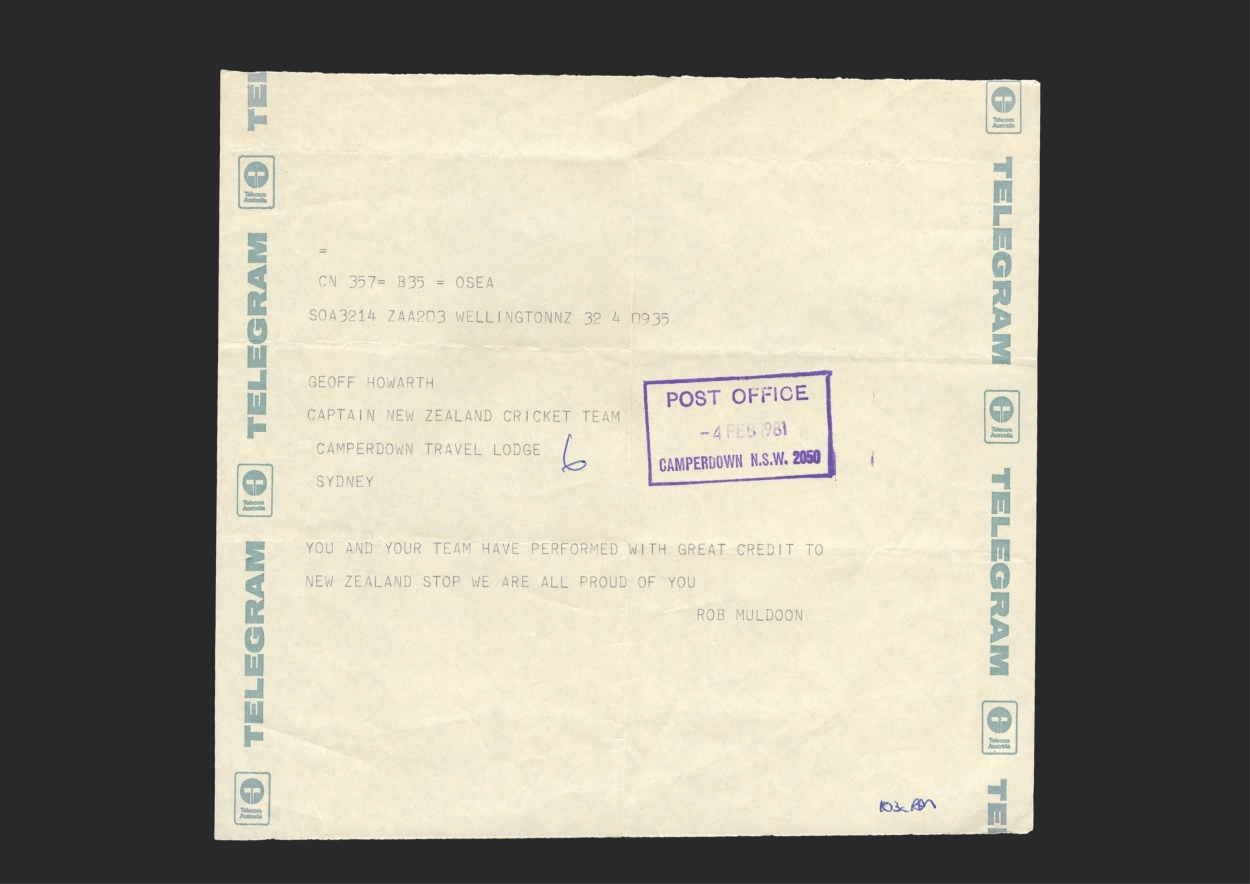
Back home in New Zealand, letters focused on pride, encouragement, and consolation. A telegram sent directly from New Zealand Prime Minister Robert Muldoon summed up the national sentiment,
“You and your team have performed with great credit to New Zealand STOP We are all proud of you."
On that count, fans on both sides of the Tasman could finally agree.